A safari camp usually measures its impact in bed nights and repeat guests. Governors’ Camp, on the Musiara Marsh in the northern Masai Mara National Reserve, also measures it in something harder to put a number on: whether a child growing up beside lion country learns to see wildlife as worth protecting. The camp backs Children in the Wilderness (CITW) Eco-Clubs in nine local schools, and in July 2026 it joined a national attempt to get children reading aloud about conservation at the same moment, in the same week. Touring Insights looks at what that program actually does, who runs it, and why it matters for travelers weighing which camps put money behind the communities they operate near.
What the Eco-Club Program Actually Involves
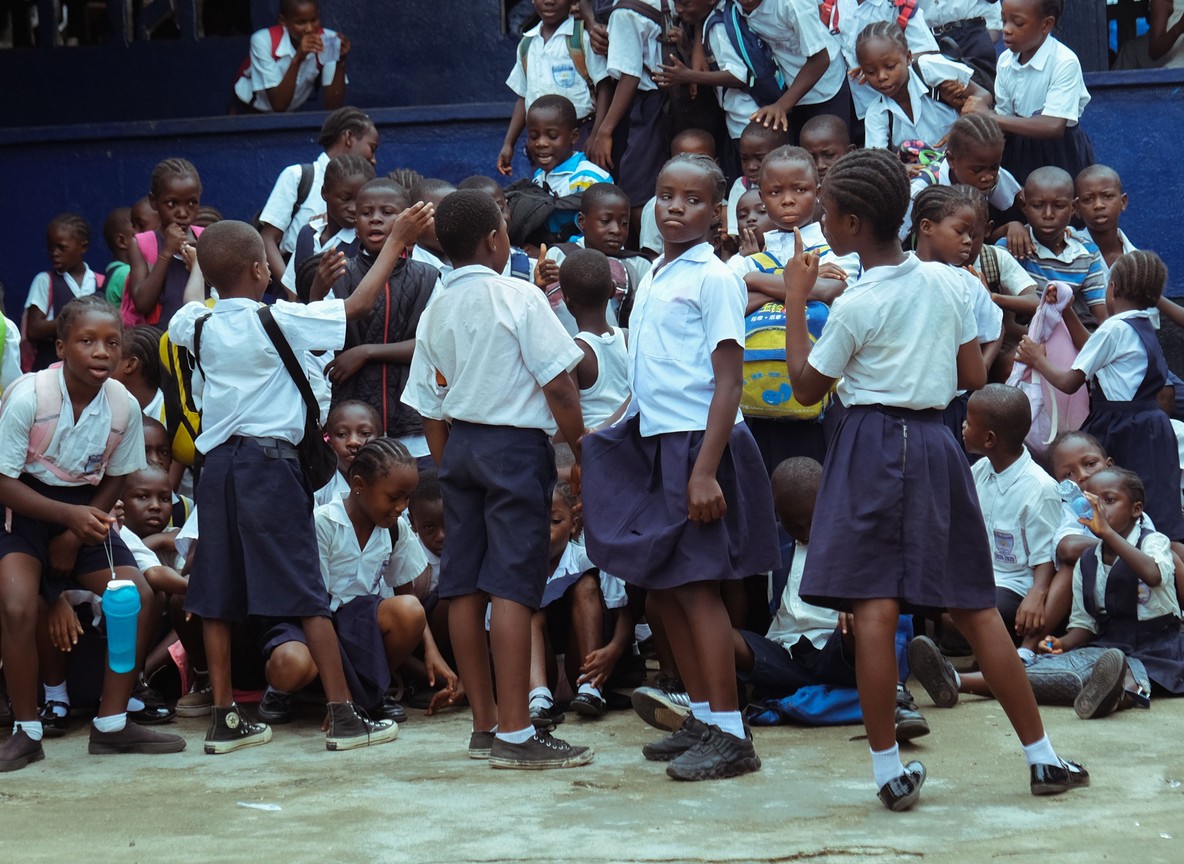
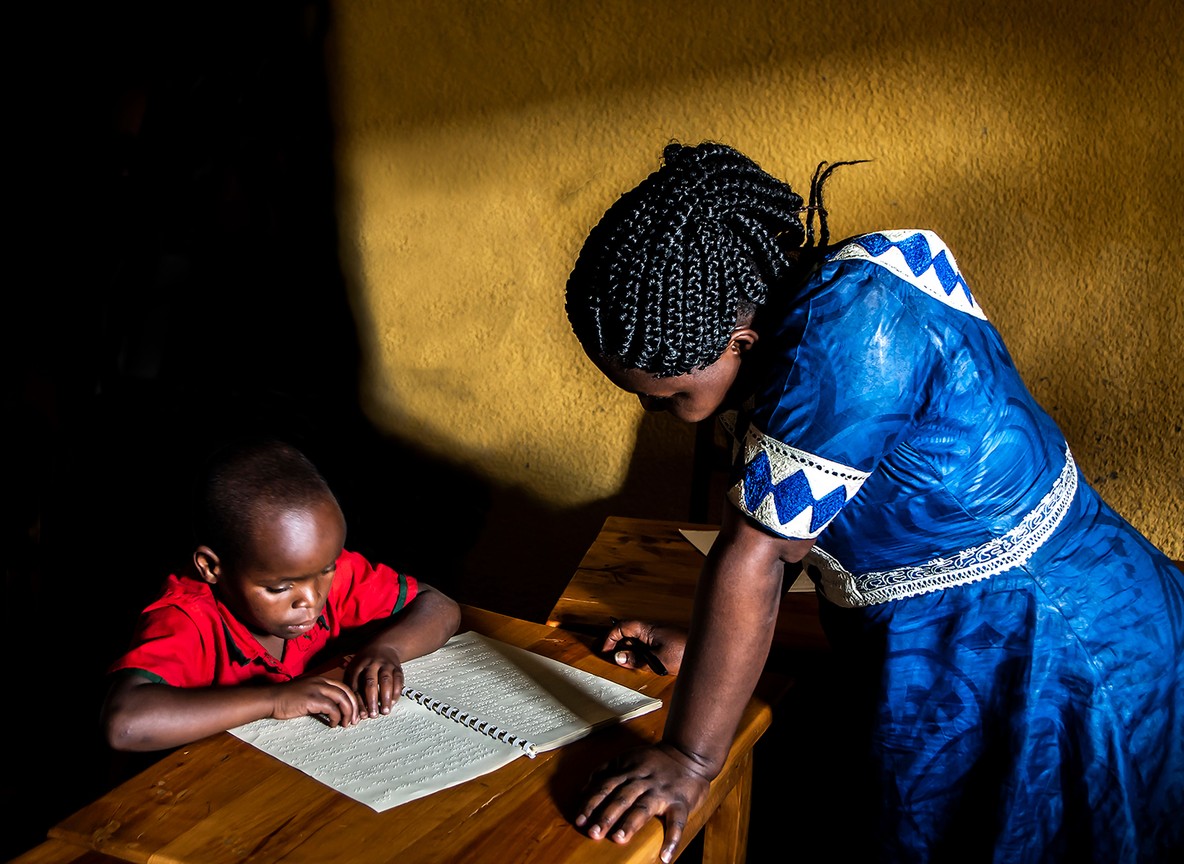
Children in the Wilderness runs Eco-Clubs in nine schools across the Masai Mara, the Great Rift Valley, and Laikipia, a partnership CITW says has run for more than two decades. Each club follows a conservation education curriculum built to fit the local landscape. Lessons cover topics like wildlife behavior, water and habitat protection, and why the ecosystem around a village supports its long-term income through tourism. Clubs are not run by outside staff parachuted in for a term. They are led by Eco-Mentors, local teachers and camp employees trained through intensive sessions held in the Masai Mara and the Great Rift Valley. That mentor model means the person leading a Tuesday afternoon club session is often someone the children already know from the village or the classroom.
The Storytelling Angle: National Read Aloud Day 2026
The storytelling piece of this program had a specific, dated event. On Friday, July 10, 2026, at 8:30 a.m., six CITW partner schools joined Start A Library Trust’s National Read Aloud Day, a coordinated push to get children across Kenya reading the same book aloud at the same time. The book was “The Boy and the Lion” by Mike Saito, a story inspired by a real encounter in the Masai Mara in which a boy’s brush with a lion eventually leads him to become a game warden. Organizers aimed to beat a simultaneous-reading record previously held in the United States, targeting one million participating children nationwide.
For children growing up beside the reserve, a story about a boy who turns a dangerous wildlife encounter into a conservation career is not abstract. Teachers led follow-up discussions after the 30-minute reading session, giving Eco-Club members a chance to connect the book’s plot to their own experience of living near lions, hyenas, and elephants that sometimes cross into grazing land.
| Detail | Figure |
|---|---|
| Partner schools in the reading event | 6 (Mara Rianda, Irbaan, Margaret Kenyatta, Suguta Mugie, Enkereri Primary Schools, TAFA Community Centre) |
| Learners who took part | 643 |
| Reading session length | 30 minutes |
| Event date and time | Friday, July 10, 2026, 8:30 a.m. |
| Book used | “The Boy and the Lion” by Mike Saito |
| National participation goal | 1,000,000 children |
| Total schools with active Eco-Clubs | 9 |
Named Schools and What Governors’ Camp Has Built
Beyond the reading day, the camp’s community arm has funded physical infrastructure most guests never see from a game drive vehicle. Partner schools, including Irbaan Primary School, Margaret Kenyatta Primary School, and Mugie Primary School, have received classrooms, libraries, dormitories, and clean water systems built with camp and CITW support. The partnership also covers seven full-time teacher salaries. A four-day joint conservation education camp brought together 70 learners, aged 13 to 22, from the Eden Thriving program and the Mugie Eco-Club, showing the model extends past single-day events into sustained residential programming.
Governors’ Camp vs a Camp Without a Community Program
Not every camp on the reserve runs a comparable education arm. The table below sets Governors’ Camp’s documented community investment against a camp that limits its footprint to game drives and guest services only.
| Factor | Governors’ Camp (Musiara Marsh) | Camp without a community program |
|---|---|---|
| School partnerships | 9 schools with active Eco-Clubs | Typically none, or informal one-off donations |
| Local staff trained as educators | Eco-Mentors trained on-site in the Mara and Rift Valley | Not applicable |
| Physical infrastructure funded | Classrooms, libraries, dormitories, water systems | Rarely disclosed or documented |
| Teacher salary support | 7 full-time salaries | Not typically offered |
| Guest-visible touchpoint | Rural school visits arranged through the camp | None |
| Distance from Nairobi | Approx. 320 km road, approx. 45 min flight to Musiara Airstrip | Varies by camp |
Guests who ask about visiting a partner school during their stay can usually arrange it through the camp’s community conservation desk, though visits depend on term dates and should never be booked as a drop-in stop without advance notice to the school.
Why Camps Fund Schools at All
Conservation education is not charity detached from the business of running a camp. Wildlife corridors around the Masai Mara cross community and conservancy land far more than they cross the gazetted reserve boundary itself, which covers roughly 1,510 km2. Children who grow up next to that land make land-use decisions as adults, whether that means grazing cattle, selling a plot for fencing, or supporting a conservancy lease. A camp with a multi-decade relationship to nine schools is betting that today’s Eco-Club member is tomorrow’s conservancy scout, guide, or landowner who chooses wildlife-compatible use over a quick sale. That is a slower return than a bed-night booking, but it is the one that keeps the ecosystem intact for the next thirty years of guests.
Getting to Governors’ Camp and the Musiara Area
Governors’ Camp sits on a private concession beside Musiara Marsh in the reserve’s northern sector. Most travelers fly into Musiara Airstrip, a 1,600-meter all-weather gravel strip roughly 45 minutes from Nairobi’s Wilson Airport. The airstrip also serves Little Governors’ Camp and several nearby properties, so transfer vehicles typically wait for more than one flight before departing. Driving from Nairobi covers approximately 320 km and takes about 6 hours, most of it on tarmac until the final unpaved stretch inside the reserve.
What a School Visit Adds to a Safari Itinerary
A visit to a partner school is not a wildlife activity, and camps are careful to frame it that way. It usually replaces a slower midday period between game drives rather than displacing prime wildlife-viewing hours. Guests typically meet an Eco-Mentor, see a club session in progress, and hear directly from students about a recent project, such as a clean-up day or a raptor-monitoring exercise tied to the curriculum. Travelers who want this on their itinerary should ask their camp or partner operator to confirm term dates before travel, since school programs pause for Kenyan school holidays.
Explorer Notes
Ask specifically for an Eco-Club visit when booking, rather than a generic “community visit.” The two are different products, and only the former connects to the CITW curriculum and named mentors. Bring modest, practical gifts if a camp allows them, such as notebooks or pencils, rather than sweets or single-use plastics, since most programs discourage anything that undercuts the conservation message.
If your dates land near early July, ask whether the camp is repeating a version of the National Read Aloud Day event. These annual pushes tend to recur around the same week, though exact dates depend on the organizing trust’s national schedule. Guides who serve as Eco-Mentors are often the best source of honest, on-the-ground detail about how conservation and community pressures interact locally, more so than a standard game-drive briefing.
What to Read Next
- Curious how Governors’ Camp’s Musiara location shapes game viewing? Compare it against camps on the reserve’s western Mara Triangle side.
- Weighing conservancy fees against reserve fees for a longer Mara stay? Check how conservation levies fund community programs like this one.
- Planning a family trip that includes a community stop? Ask a partner operator how a school visit fits around peak game-drive windows.
FAQ
What is the Children in the Wilderness Eco-Club program? It is a conservation education program run in nine schools across the Masai Mara, the Great Rift Valley, and Laikipia. Local teachers and camp staff, trained as Eco-Mentors, lead a curriculum covering wildlife behavior, habitat protection, and community conservation.
What happened on National Read Aloud Day 2026? On Friday, July 10, 2026, six CITW partner schools joined a national simultaneous reading event, with 643 learners reading “The Boy and the Lion” by Mike Saito, a story inspired by a real Masai Mara encounter between a boy and a lion.
Can safari guests visit one of the partner schools? Yes, through Governors’ Camp’s community conservation desk, though visits depend on school term dates and should be arranged in advance rather than added as a same-day stop.
How does Governors’ Camp support schools beyond the reading event? The partnership has funded classrooms, libraries, dormitories, and clean water systems at partner schools, and covers seven full-time teacher salaries.
How far is Governors’ Camp from Nairobi? About 320 km by road, roughly a 6-hour drive, or approximately 45 minutes by air into Musiara Airstrip, which also serves several neighboring camps.
A camp’s conservation credentials show up less in a brochure line and more in whether a named school can point to a library it helped build. Check the Tour Packages page for itineraries that route through the Musiara area, or ask a partner operator whether a current stay can include a documented Eco-Club visit.